
Here you will find useful information on the Government’s resource management reforms, what they mean for hunting and angling, their habitat, and where things stand now.
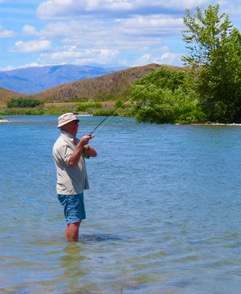
The Government has replaced the Resource Management Act with two new laws that do not properly recognise angling, game bird hunting, or the habitats our species depend on. The debate is not over, and there is a real chance to shape what comes next.
Fish & Game has made this case at every stage, and we are not stopping now. This is a moment for our whole community to stand together: anglers and game bird hunters from every region, the rural communities we are part of, and everyone who values healthy rivers, lakes and wetlands. Get in behind us and add your voice to the changes we are working for.
Our species and habitats were previously recognised. The Resource Management Act protected access, and also, under section 7, protected the habitat of trout and salmon as a key indicator species described as the “canary in the coal mine” for freshwater health. Trout represent a nationally important recreational resource and their habitat requirements is the best proxy for maintaining healthy freshwater environments.
We need two things: changes to the new Acts, and changes to the draft National Policy Direction.
You can help with both.
How you can help
There are three things you can do. Each one makes a difference, and you do not have to do all three.
1. Give feedback on the National Policy Direction.
The National Policy Direction (NPD) is how the government will set national priorities and direct how the new planning system works in practice. A draft is open for feedback and is your first chance to have a say before the formal consultation next year. Feedback closes at 11.59pm on Friday 16 October. Tell decision makers why angling and game bird hunting matter to you, and ask them to recognise the habitat, recreation and access our species depend on.
Give your feedback here
2. Contact your local MP and candidates.
Ask them to back the same changes. The more MPs and candidates hear directly from people the better the chance we can secure the changes we need.
NPD: Why it matters
We have reviewed the draft National Policy Direction. It sets out draft directives across five themes: housing and development, infrastructure, primary production, resources, and public values. Angling, game bird hunting and recreation nor our values are included. It does not yet fix the problems we have raised. Our main concerns are:
- No recognition of our species’ habitat. There is no explicit recognition of sports fish or game bird habitat, and no recognition of Fish & Game as a stakeholder in the decisions that affect them.
- An indigenous biodiversity focus. The biodiversity framework will overlook important non-indigenous recreational species and habitats, and reduce the limits that protect them.
- A highly enabling development framework. Housing, infrastructure, farming, forestry, mining and aquaculture all receive strong enabling direction, while our values are absent.
- Environmental limits become critical. With little to protect our values in the National Policy Direction itself, habitat outcomes will largely depend on future environmental limits and standards rather than broad planning discretion.
- Access protected but not enhanced. Existing access is supported, but private property rights are strongly prioritised.
- Recreation is a secondary value. There is no dedicated recreation framework and no specific attention to recreational fishing or game bird hunting interests.
On the upside, the draft includes the term “reverse sensitivity” and lists shooting ranges among its examples, which helps protect ranges from encroaching development and complaining neighbours. Your feedback is how we build on the good and push back on the gaps.
The two new laws – why they matter
Thank you to everyone who submitted on the bills during the consultation. MPs are in no doubt about how much you value angling, game bird hunting, and the habitats our species depend on. The select committee made some changes but largely haven’t addressed our concerns.
Here is where things landed
- Trout and salmon habitat. The Natural Environment Act requires limits to protect the life-supporting capacity of the natural environment, but the focus is only on indigenous species, not species like trout or salmon. The definition of ecosystem was widened to include introduced species, which was welcome, but that change did not carry through to life-supporting capacity, which still refers only to indigenous species. Because environmental limits are anchored to life-supporting capacity, local government councils will struggle to set limits that protect trout, salmon, or game bird habitat. The goals also do not specifically protect and enhance the habitat of trout, salmon and game birds.
- Public access. The new laws do not include a clear goal promoting public access to rivers, lakes, wetlands, and the wider outdoors. We sought amendments to provide for enhancing access for angling and game bird hunting, including creating esplanade reserves when subdivisions are made.
- Our management plans. The planning framework reduces the influence of Fish & Game’s Sports Fish and Game Management Plans. New planning documents will not have to be consistent with these plans, so the habitat and recreational values in our plans may not feature in new plans and consenting decisions.
- Wildlife permits. The laws set up a new system for wildlife approvals, where regional councils will be able to issue wildlife permits. That means agencies could make decisions about culling our species without drawing on the knowledge and monitoring information that Fish & Game holds.
- The good news. Wetlands were given better recognition through amendments,clarifying that they sit within freshwater ecosystems. Water Conservation Orders, which protect some of New Zealand’s most outstanding waterways, have been kept, and councils must now review and monitor how well they are working.
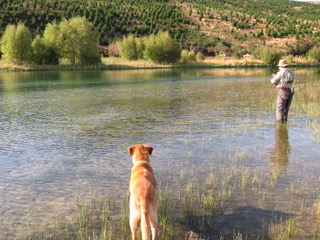
The Government’s Planning Bill and Natural Environment Bill have passed their third reading now. Now require only the the process before becoming Acts. But it’s election year. Let your MP know you’re brassed off.
The government’s action is not good environmental law in New Zealand. It’s a backward step. Economic development overrides Nature. Not surprised after Shane Jones’ and Chris Bishop’s Fast Track Approvals Bill and Tama Potaka’s bill to sell off public conservation estate land.
Potaka has backed off for now but I bet after the election, if he’s minister, he’ll push it through obeying the bidding of his two masters Jones and Bishop.
These changes have been rushed through the readings process for a reason, Bishop and Jones with there fingers in the pot again, these two along with the rest of this governance have not listened to the very people that voted them in,
There has been not been a platform for any public consultation in regards to the destructive changes being made to the RMA Bill, Mr Bishop was elected to act on our behalf, it is very apparent that he’s acting for his own gain, not the environment or the future New Zealanders that will loose public access, freshwater, fishing, hunting, trekking or a swim in a safe river, Bishop has no regard for our environment.
Sadly this is what you get from governments committed to neoliberal ideologies rather than the wishes of the people and the value of their cultural heritage as reflected in their love of angling and game bird hunting . This bill makes it very clear who I won’t be voting for in November.
Perhaps one lesson from all this is that environmental law, like politics itself, behaves rather like a pendulum.
Over time the Resource Management Act grew increasingly complex. Many New Zealanders came to see it as slow, expensive and burdened by ever more rules, procedures and bureaucracy. Whether that perception was entirely fair or not, it was widespread enough that successive governments concluded the system needed a fundamental reset.
When pendulums swing too far in one direction, they rarely stop neatly in the middle. They swing back. The replacement legislation may well prove to have swung too far the other way. Time, experience and public opinion will determine whether that is the case.
If history is any guide, future governments will modify these Acts, just as previous governments modified the RMA. Over time those laws, too, will inevitably accumulate amendments, regulations and complexity before another generation decides they also need reform.
That is the nature of politics.
For NZFFA, however, the important point is not where the pendulum sits politically. It is ensuring that, wherever it comes to rest, healthy rivers, thriving freshwater fisheries and public access remain firmly recognised within New Zealand’s planning system.